
Deciding to visit the Okavango Delta is the easy part. Deciding when to go and where within the Delta to base yourself, that is where most first-time visitors get stuck. The Delta is vast, seasonal, and split into regions that each offer something different. This guide will help you understand how it all fits together, so that by the time you book, you know exactly what you are choosing and why.
Regions of the Delta
The Okavango Delta covers over 15,000 square kilometres. It is a collection of distinct regions, each with its own character, wildlife, and type of experience. Here is what you need to know about each one.
Central & Eastern delta
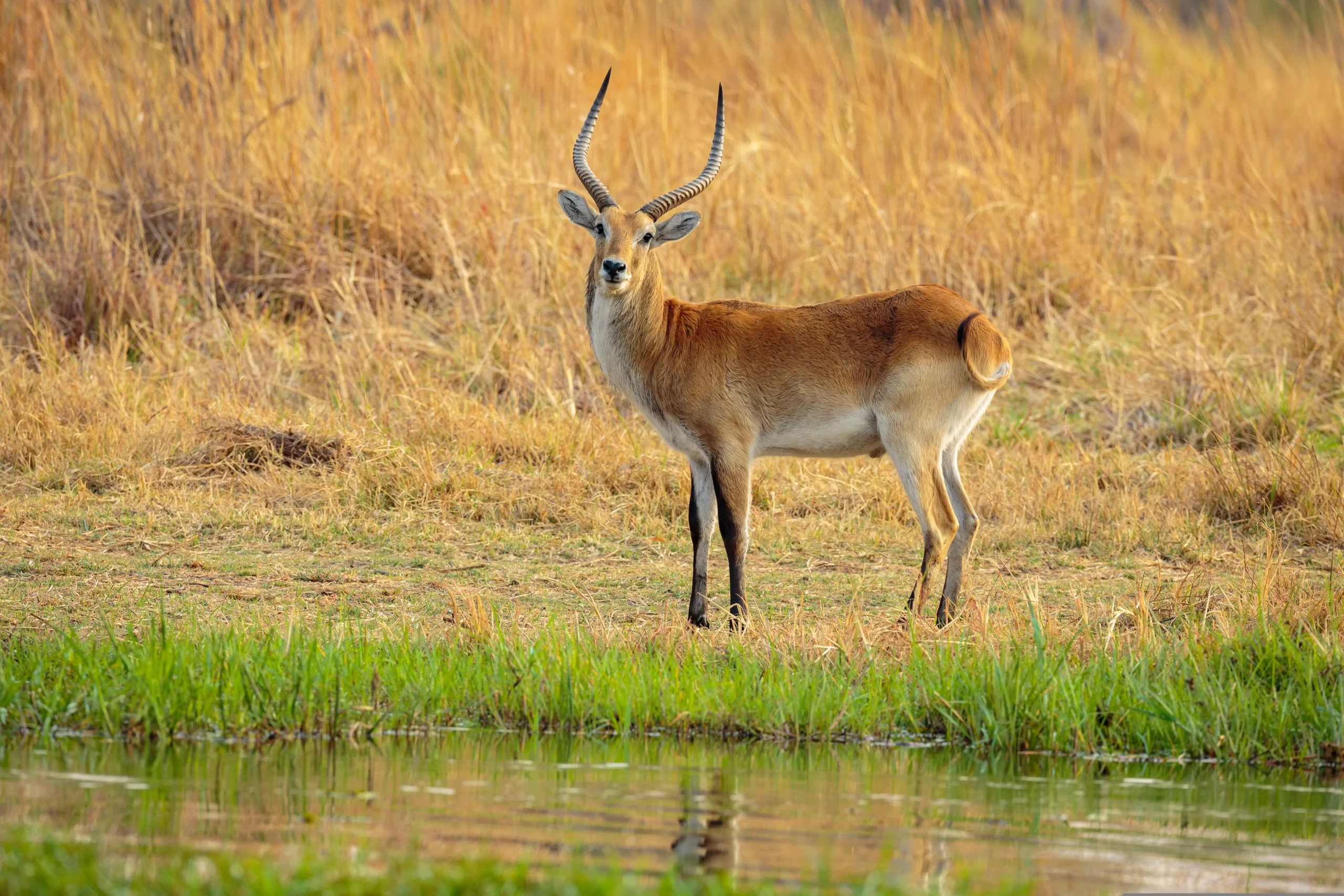
Moremi Game Reserve — the wildlife heart of the Delta. This is where water meets dry land, and the result is the highest concentration of game in the entire ecosystem. Big Five sightings are most reliable here, and the landscape shifts constantly between flooded grassland and dry island woodland. If this is your first safari and you want to see as much wildlife as possible, Moremi is where you want to be.
Western Delta
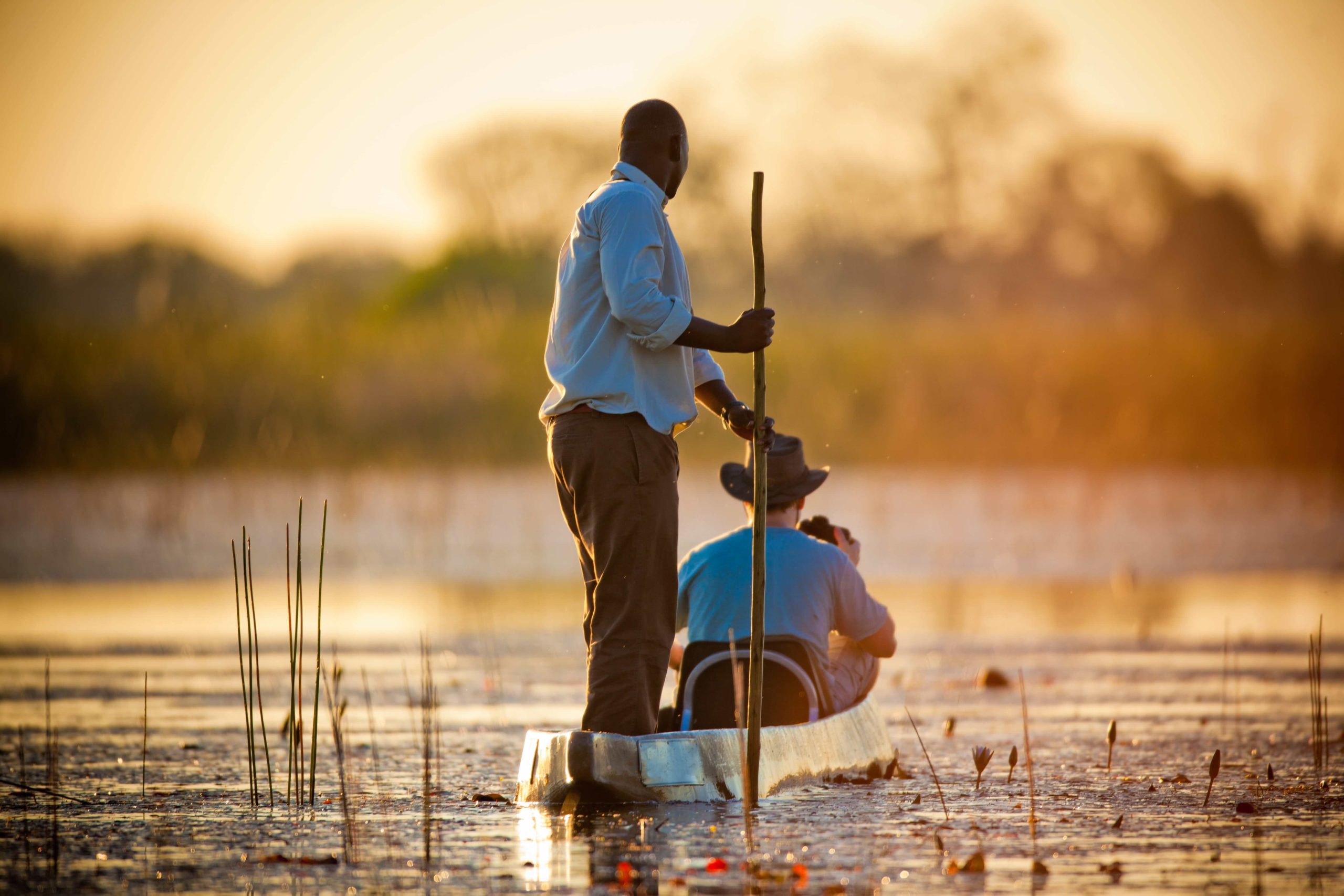
Deep channels and open floodplains — the western Delta is where the water is at its most dramatic. The channels here run deep and wide, making it the best area for motorboat safaris, birdwatching, and tiger fishing. It is more remote than Moremi and less visited, which means the experience feels more private. A good choice if water-based activities are your priority. The shallower edges and lagoons of the western Delta are also ideal for mokoro safaris — some of the most peaceful and unhurried in the entire ecosystem.
Northern Concessions
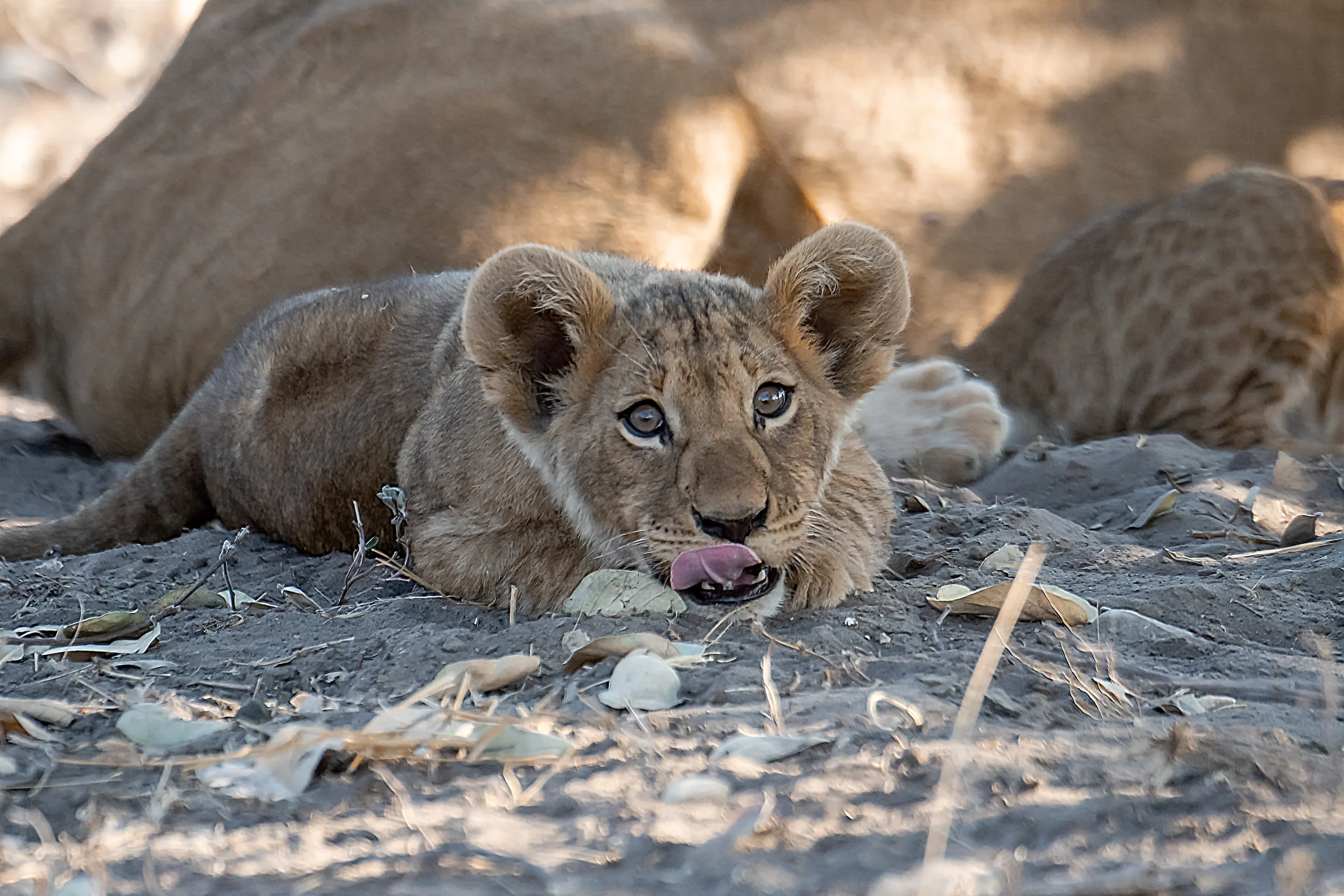
Khwai Community Concession — unfenced private land running along the Khwai River, bordering Moremi to the north. This area is known for exceptional predator sightings, particularly wild dogs and lion, and offers a more affordable entry point into the Delta without compromising on game. It also has a strong cultural dimension — the Khwai community runs the concession directly, and guides here carry generations of knowledge about the land. The waterways around Khwai are well suited to mokoro excursions, offering a quieter counterpoint to the game drives and a chance to see the Delta from the water at a slower pace.
The Panhandle
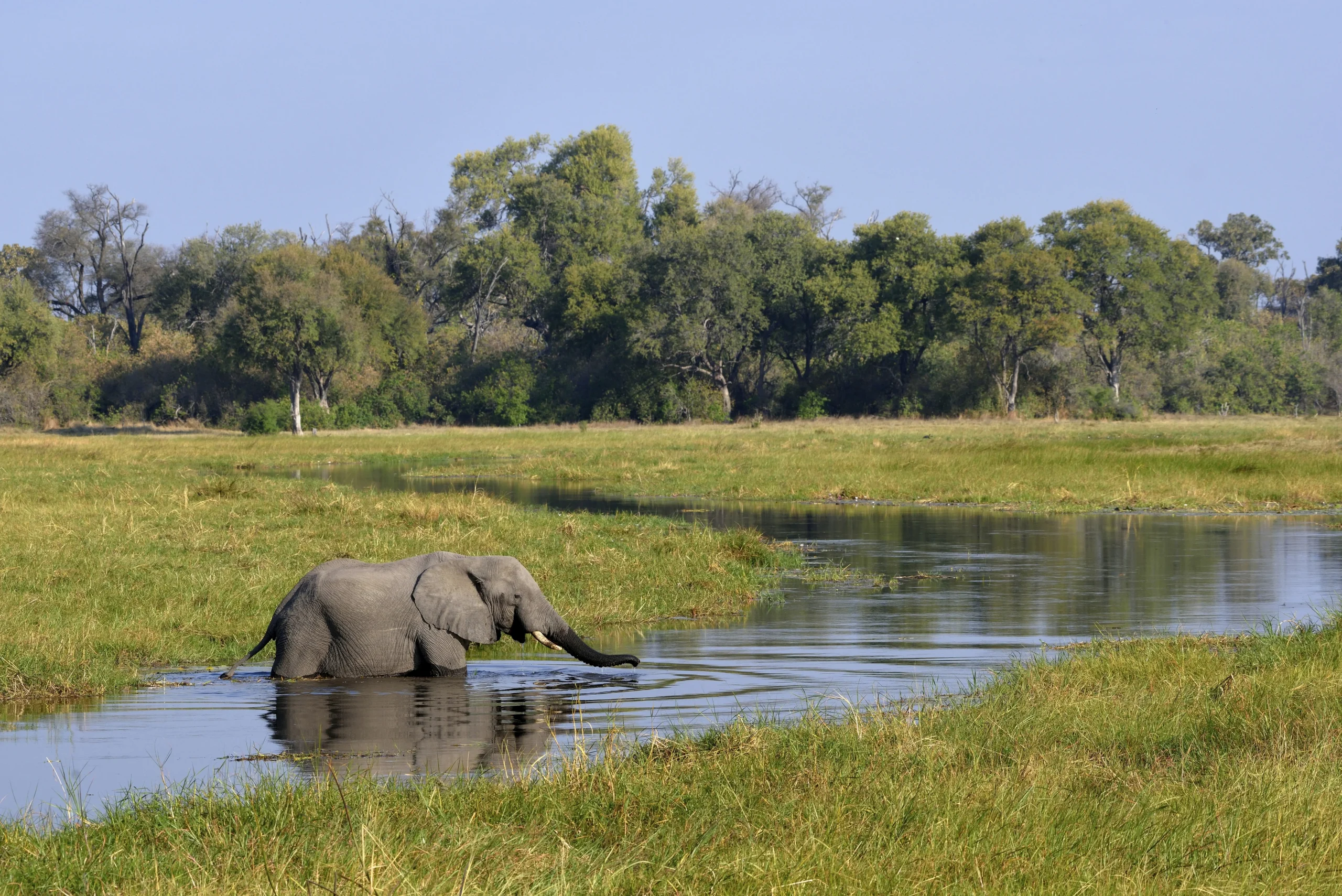
Where the river enters Botswana — a long, narrow stretch in the far north where the Okavango River first crosses the border. This is the most laid-back part of the Delta, popular for houseboat cruises, catch-and-release tiger fishing, and some of the best birding in southern Africa. It attracts a different type of traveller — those who want to slow down and let the water come to them.
When to Go
The Delta changes dramatically from month to month. The flood that defines the ecosystem arrives in winter, not summer — which surprises most first-time visitors. Here is how each season plays out.
Jan — Mar
Rainy season. The Delta turns lush and green, with dramatic afternoon thundershowers. Water levels are low and some camps close, but prices drop significantly and visitor numbers are at their lowest. A good option if budget is a priority and you do not mind the heat.
Apr — May
The floodwaters begin their rise. The northern and western Delta come alive for mokoro and boat safaris, and wildlife gathers in growing numbers as the water spreads. A smart time to visit — the flood is building, the landscape is dramatic, and peak season prices have not yet arrived.
Jun — Aug (Peak Season)
The flood reaches its fullest and dry-season vegetation thins, making wildlife far easier to spot. Wild dog sightings are exceptional in the northern concessions. Thousands of herons, storks and egrets arrive to nest. The famous catfish run draws predators to the main channels. Book well in advance — camps fill up months ahead.

Sep — Oct
Water begins to recede but game viewing stays excellent — one of the best times for predator sightings in Moremi. Temperatures rise and the landscape opens up further as animals concentrate around remaining water sources. A quieter and slightly more affordable alternative to peak season.
Nov — Dec
The first rains arrive and temperatures peak. This is antelope birthing season — big cats and other predators are out in numbers following the newborns. Afternoon showers can disrupt plans but the light is extraordinary for photography, and the Delta feels alive in a different way.
Planning your trip
The right time and the right region depend entirely on what you want from your trip. If you are not sure where to start, we can help you work it out. Tell us when you are thinking of travelling and what matters most to you — wildlife, water, budget, or all three — and we will put together the right itinerary for you. Get in touch and let’s start planning.